Psychiatrist vs Therapist vs Psychologist: Which Do You Need?
Key Points:
- Medication isn't always necessary, but it can be life-changing when symptoms significantly impact your daily functioning
- Most people benefit from combining medication with therapy and lifestyle changes
- Starting medication doesn't mean you'll be on it forever
- The right time to start is when your quality of life is suffering despite other efforts
- A comprehensive evaluation helps determine if medication is right for you
The Question Everyone Asks (But Struggles to Answer)
You know you need support for your mental health. Maybe you're dealing with anxiety that won't quit, depression that's affecting everything, or another concern that's impacting your daily life. You're ready to reach out for help.
Then you hit a wall: Do you need a psychiatrist? A therapist? A psychologist? What's the difference? And how are you supposed to know which one is right for you?
This confusion is incredibly common, and it stops many people from getting the help they need. At Harborside Psychiatry, we hear this question constantly. The good news? Understanding these differences is simpler than you think, and you don't necessarily have to choose just one.
Let's break down what each type of mental health provider does, when you might need each one, and how to make the best choice for your situation.
What Is a Psychiatrist?
A psychiatrist is a medical doctor (MD or DO) who specializes in mental health. Psychiatrists complete four years of medical school, just like any other doctor, then complete a four-year residency specifically in psychiatry.
What Psychiatrists Can Do
Because psychiatrists are medical doctors, they can:
Prescribe medication. This is the main distinction. Psychiatrists can prescribe antidepressants, anti-anxiety medications, mood stabilizers, and other psychiatric medications.
Diagnose mental health conditions. Psychiatrists are trained to evaluate both the mental and physical aspects of psychological problems. They can order lab tests, assess medical conditions that might be causing or worsening mental health symptoms, and provide comprehensive diagnoses.
Provide therapy. While many psychiatrists focus primarily on medication management, some also provide psychotherapy (talk therapy). The amount of therapy a psychiatrist provides varies widely by individual practice.
Treat complex conditions. Psychiatrists often work with people who have severe mental health conditions, multiple diagnoses, or cases where medical complications are involved.
When You Might Need a Psychiatrist
Consider seeing a psychiatrist if:
- Your symptoms are severe and significantly impacting your daily functioning
- You've tried therapy alone without sufficient improvement
- You're dealing with conditions that often require medication (like bipolar disorder, schizophrenia, or severe depression)
- You need someone who can assess both medical and psychological factors
- Previous providers have recommended considering medication
What to Expect from Psychiatrist Appointments
Initial appointments with a psychiatrist typically last 60-90 minutes and include a comprehensive evaluation of your symptoms, medical history, family history, and current functioning. Follow-up appointments are often shorter (15-30 minutes) and focus on medication management, monitoring side effects, and adjusting treatment as needed.
Many psychiatrists work collaboratively with therapists. You might see a psychiatrist for medication management and a separate therapist for ongoing talk therapy.
What Is a Psychologist?
A psychologist holds a doctoral degree in psychology, either a PhD (Doctor of Philosophy) or PsyD (Doctor of Psychology). This requires 5-7 years of graduate school plus supervised clinical training.
What Psychologists Can Do
Psychologists are trained to:
Provide psychotherapy. Psychologists offer various types of talk therapy, including cognitive-behavioral therapy (CBT), psychodynamic therapy, and other evidence-based approaches.
Conduct psychological testing. This is a key distinction. Psychologists can administer and interpret psychological tests for conditions like ADHD, learning disabilities, personality disorders, and cognitive functioning. This testing provides detailed diagnostic information.
Diagnose mental health conditions. Psychologists are trained in diagnosis and can identify mental health disorders based on symptoms and testing results.
Treat a wide range of issues. Psychologists work with everything from everyday life stress to serious mental health conditions.
What Psychologists Typically Cannot Do
In most states, psychologists cannot prescribe medication. (A few states allow specially trained psychologists to prescribe, but this is rare and requires additional certification.) If you're seeing a psychologist and medication might help, they'll refer you to a psychiatrist or your primary care doctor.
When You Might Need a Psychologist
Consider seeing a psychologist if:
- You want in-depth talk therapy for emotional or behavioral issues
- You need psychological testing to clarify a diagnosis (especially for ADHD, learning disabilities, or complex cases)
- You're dealing with relationship problems, trauma, or life transitions
- You prefer therapy over medication, or want to try therapy first
- You need specialized therapy approaches for specific conditions
What to Expect from Psychologist Appointments
Initial sessions focus on understanding your concerns, history, and goals. Ongoing therapy sessions are typically 45-60 minutes and occur weekly or biweekly. The psychologist helps you develop coping skills, change thought patterns, process emotions, and work toward your treatment goals.
What Is a Therapist?
"Therapist" is a broad term that encompasses various licensed mental health professionals who provide talk therapy. This can include:
Licensed Clinical Social Workers (LCSWs): Social workers with specialized mental health training who provide therapy and connect clients with community resources.
Licensed Professional Counselors (LPCs): Mental health professionals with master's degrees in counseling who provide therapy for individuals, couples, and families.
Licensed Marriage and Family Therapists (LMFTs): Therapists who specialize in relationship and family dynamics.
Psychiatric Mental Health Nurse Practitioners (PMHNPs): Advanced practice nurses who specialize in mental health and can provide both therapy and medication management.
What Therapists Can Do
Licensed therapists can:
Provide psychotherapy. Therapists offer various types of talk therapy tailored to your needs.
Diagnose mental health conditions. Licensed therapists can assess symptoms and provide diagnoses.
Develop treatment plans. Therapists create individualized plans to address your specific concerns.
Specialize in specific areas. Many therapists focus on particular issues like anxiety, trauma, addiction, or eating disorders.
What Most Therapists Cannot Do
Most therapists cannot prescribe medication. The exception is Psychiatric Mental Health Nurse Practitioners (PMHNPs), who are advanced practice nurses with prescribing authority. This makes PMHNPs unique in that they can provide both therapy and medication management.
When You Might Need a Therapist
Consider seeing a therapist if:
- You're dealing with stress, relationship issues, or life changes
- You want regular talk therapy to work through emotional concerns
- You need support for anxiety, depression, or other conditions
- You prefer a counseling-focused approach
- Cost is a concern (therapists often have lower fees than psychiatrists or psychologists)
The Harborside Difference: Getting Both in One Place
Here's where things get interesting. At Harborside Psychiatry, our providers are Psychiatric Mental Health Nurse Practitioners (PMHNPs). This means you get the best of both worlds in a single provider.
What Makes PMHNPs Unique
PMHNPs are advanced practice registered nurses who specialize in mental health. They complete:
- A bachelor's degree in nursing
- Experience working as a registered nurse
- A master's or doctoral degree in psychiatric mental health nursing
- National certification as a Psychiatric Mental Health Nurse Practitioner
This training qualifies PMHNPs to:
- Diagnose mental health conditions
- Prescribe and manage medications
- Provide psychotherapy and counseling
- Order and interpret lab tests
- Offer a holistic, integrated approach to care
Why the Combined Approach Works Better
Research shows that combining medication with therapy produces better outcomes than either treatment alone. The Treatment of Adolescents with Depression Study found that patients receiving combined treatment showed a 71% improvement rate, compared to 61% with medication alone and 43% with therapy alone.
When you work with a PMHNP at Harborside Psychiatry, you get:
Integrated care from one provider. You don't have to coordinate between multiple professionals or repeat your story to different people. Your PMHNP understands your complete picture because they're providing all aspects of your care.
Medication management plus therapy. If medication helps your symptoms, your provider can prescribe it. If therapy techniques are needed, you're already working with someone trained to provide them. Often, you need both.
Holistic treatment. PMHNPs are trained to consider lifestyle factors, physical health, relationships, and life circumstances, not just symptoms. Our integrative approach includes medication management, evidence-based therapy, and lifestyle modifications including nutrition, sleep, exercise, and stress management guidance.
Continuity and consistency. Building a therapeutic relationship takes time. When the same provider manages your medication and provides your therapy, that relationship deepens and treatment becomes more effective.
Flexibility. Some appointments might focus more on medication adjustments, others on processing difficult emotions or learning coping skills. Your PMHNP adapts to what you need at any given time.
Learn more about our comprehensive treatment approach and how we integrate these elements into personalized care.
Comparing the Differences: Quick Reference
Let's break down the key differences in a clear, simple way:
Education and Training
Psychiatrist: Medical degree (MD or DO) plus 4-year psychiatry residency. Total: 12+ years after high school.
Psychologist: Doctoral degree in psychology (PhD or PsyD) plus internship. Total: 10-12 years after high school.
Therapist (LCSW, LPC, LMFT): Master's degree in their field plus supervised clinical hours. Total: 6-8 years after high school.
PMHNP: Nursing degree, RN experience, master's or doctoral degree in psychiatric nursing. Total: 6-10 years after high school.
Can They Prescribe Medication?
Psychiatrist: Yes
Psychologist: Usually no (exceptions in a few states with additional training)
Therapist: Usually no
PMHNP: Yes
Can They Provide Therapy?
Psychiatrist: Yes, but many focus primarily on medication management
Psychologist: Yes, this is their primary focus
Therapist: Yes, this is their primary focus
PMHNP: Yes, along with medication management
Can They Order Lab Tests?
Psychiatrist: Yes
Psychologist: No
Therapist: No
PMHNP: Yes
Can They Conduct Psychological Testing?
Psychiatrist: Usually no (not their specialty)
Psychologist: Yes, this is their specialty
Therapist: Usually no
PMHNP: Basic screening yes, comprehensive testing no
Do You Need More Than One Provider?
This is where people often get confused. The answer is: sometimes yes, sometimes no.
The Traditional Model: Multiple Providers
Many people work with both a psychiatrist (for medication) and a therapist (for talk therapy). This can work well, especially when:
- You need specialized psychological testing that only a psychologist provides
- Your psychiatrist doesn't provide therapy
- You want very frequent therapy sessions (weekly or more)
- You're working on complex trauma that requires specialized therapy approaches
The Integrated Model: One Provider
Working with a PMHNP who provides both medication management and therapy can be ideal when:
- You want integrated care from one provider who knows your complete situation
- You prefer the continuity of a single therapeutic relationship
- You're dealing with conditions that benefit from both medication and therapy
- You value the convenience of not coordinating between multiple providers
At Harborside Psychiatry, our PMHNPs provide comprehensive care that addresses both the biological and psychological aspects of mental health. You get medication management when needed, therapy to develop coping skills and process emotions, and lifestyle guidance to support overall wellness.
We treat patients from ages 6 to 65, so whether you're a child struggling with anxiety, a teenager dealing with depression, or an adult navigating life's challenges, our integrated approach adapts to your needs.
How to Choose the Right Provider for Your Situation
Here's a practical guide to making the decision:
Start with Your Primary Concern
If you're primarily struggling with:
- Severe symptoms that significantly impact daily functioning → Consider starting with medication management (psychiatrist or PMHNP)
- Relationship issues, processing emotions, or learning coping skills → Therapist or psychologist
- Complex diagnostic questions or need for psychological testing → Psychologist
- Multiple concerns and you want integrated care → PMHNP
Consider What You've Already Tried
If you've already:
- Tried therapy without enough improvement → Adding medication might help (psychiatrist or PMHNP)
- Tried medication without enough improvement → Adding therapy might help (psychologist, therapist, or PMHNP)
- Never tried professional treatment → PMHNP or therapist is a good starting point
Think About Your Preferences
Do you:
- Prefer to avoid medication if possible? → Start with a psychologist or therapist
- Feel open to medication if it would help? → Psychiatrist or PMHNP
- Want one provider who can do both? → PMHNP
- Want the most specialized psychological testing available? → Psychologist
Factor in Practical Considerations
Insurance coverage: Check which providers are covered by your plan. Many insurance companies cover PMHNPs, psychologists, and therapists. Verify your coverage on our insurance page.
Availability: Some provider types have longer wait times than others in your area. Telehealth can improve access.
Cost: If paying out of pocket, therapists and PMHNPs often have lower fees than psychiatrists or psychologists.
Location: With telehealth (like at Harborside Psychiatry), you can access quality care from anywhere in Oregon without driving to appointments.
What Conditions Can Each Provider Treat?
All of these providers can help with common mental health conditions, though their treatment approaches differ:
Anxiety Disorders
Psychiatrist/PMHNP: Can prescribe anti-anxiety medications and provide therapy focused on managing symptoms.
Psychologist/Therapist: Can provide CBT, exposure therapy, and other evidence-based treatments for anxiety and social anxiety.
Best approach: Often a combination of medication and therapy.
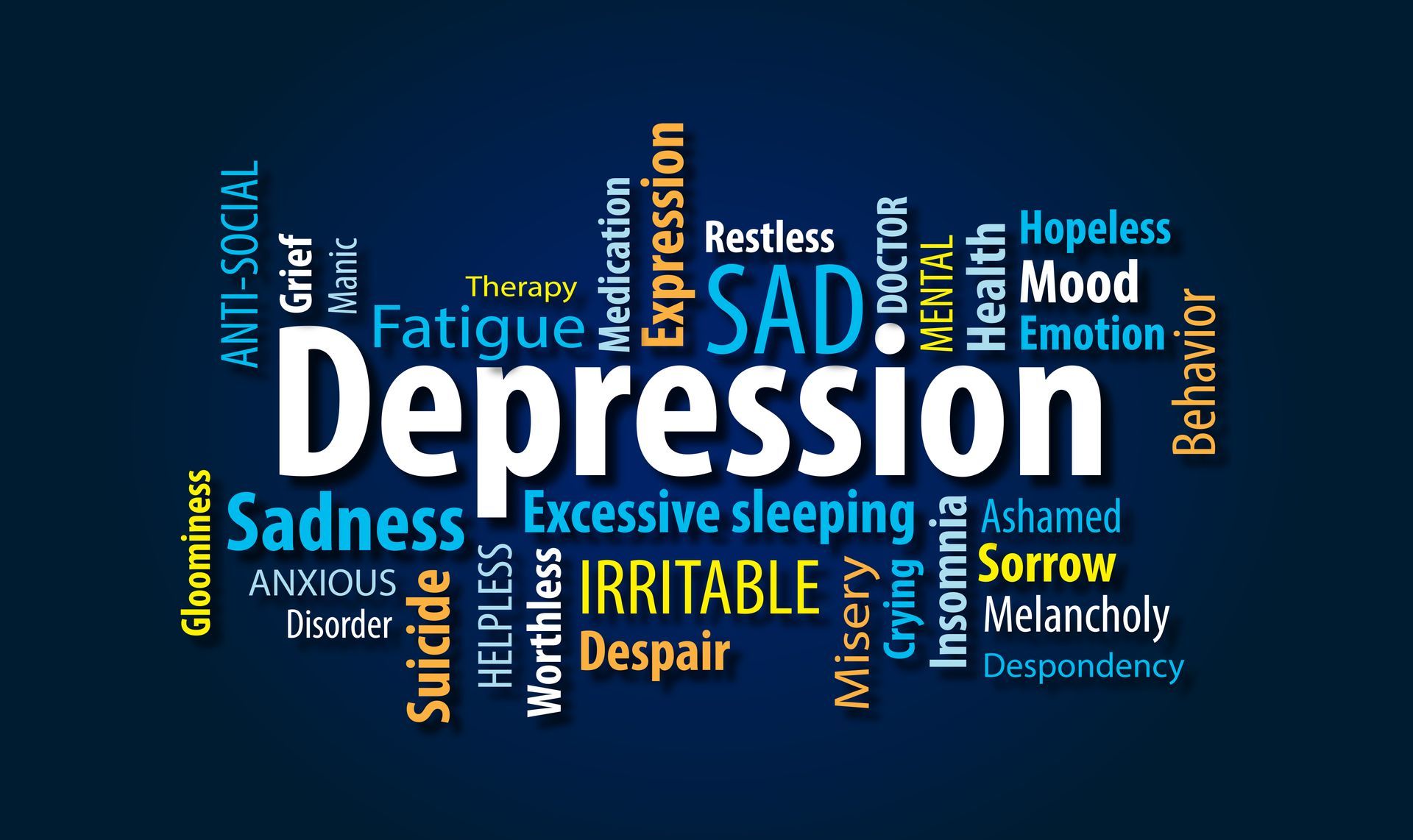
Depression
Psychiatrist/PMHNP: Can prescribe antidepressants and provide supportive therapy or CBT.
Psychologist/Therapist: Can provide various therapy approaches including CBT, interpersonal therapy, and behavioral activation.
Best approach: Moderate to severe depression often responds best to combined treatment.
ADHD
Psychiatrist/PMHNP: Can prescribe stimulant or non-stimulant ADHD medications and provide coaching on management strategies.
Psychologist: Can provide comprehensive testing to confirm diagnosis and offer behavioral strategies and organizational coaching.
Therapist: Can provide coaching on time management, organization, and emotional regulation.
Best approach: ADHD typically requires both medication and behavioral strategies.
Trauma and PTSD
Psychiatrist/PMHNP: Can prescribe medications for symptoms like nightmares, hypervigilance, and depression while providing supportive therapy.
Psychologist/Therapist: Can provide specialized trauma therapies like EMDR, prolonged exposure therapy, or trauma-focused CBT.
Best approach: Trauma treatment often combines medication for symptom management with specialized trauma therapy.
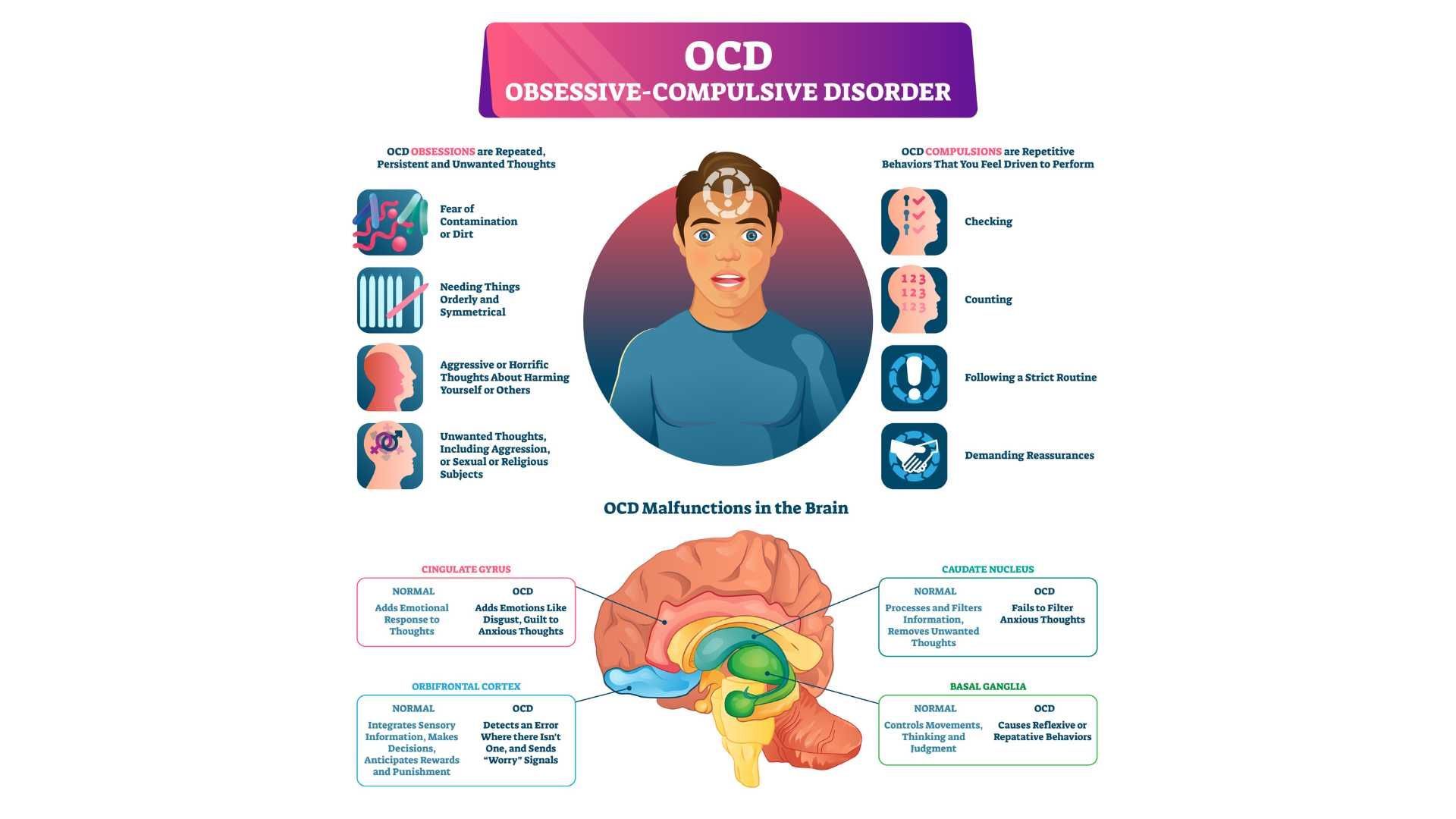
OCD
Psychiatrist/PMHNP: Can prescribe SSRIs (often at higher doses than for depression) and provide guidance on exposure and response prevention.
Psychologist/Therapist: Can provide exposure and response prevention (ERP) therapy, the gold standard treatment for OCD.
Best approach: OCD typically responds best to a combination of medication and ERP therapy.
Bipolar Disorder
Psychiatrist/PMHNP: Can prescribe mood stabilizers and manage medication closely, which is essential for bipolar disorder.
Psychologist/Therapist: Can provide therapy to help with mood regulation, identifying triggers, and managing symptoms.
Best approach: Bipolar disorder requires medication management, making a psychiatrist or PMHNP essential, often combined with therapy.
Insomnia
Psychiatrist/PMHNP: Can prescribe sleep medications when appropriate and address underlying mental health conditions affecting sleep.
Psychologist/Therapist: Can provide cognitive behavioral therapy for insomnia (CBT-I), a highly effective non-medication treatment.
Best approach: Insomnia often improves with behavioral strategies, sometimes combined with short-term medication.
Getting Started: Your First Appointment
Regardless of which type of provider you choose, here's what typically happens at your first appointment:
What to Expect
Comprehensive evaluation: Your provider will ask about your symptoms, how long you've had them, what triggered them, and how they're affecting your life.
Medical and mental health history: They'll ask about past mental health treatment, medical conditions, medications, family history, and substance use.
Discussion of treatment options: Based on the evaluation, your provider will explain what they think is going on and recommend treatment approaches.
Questions and collaboration: This is your chance to ask questions, share concerns, and collaborate on creating a treatment plan that works for you.
At Harborside Psychiatry, we also offer comprehensive diagnostic testing when needed to ensure accurate diagnosis. Sometimes what looks like anxiety is actually ADHD, or what seems like depression might be bipolar disorder. Getting the diagnosis right is crucial for getting the right treatment.
How to Prepare
Write down your symptoms: Note what you're experiencing, when it started, and what makes it better or worse.
List your medications: Include prescription medications, over-the-counter drugs, and supplements.
Bring relevant records: If you have previous mental health records or medical test results, bring them.
Think about your goals: What do you hope to get out of treatment? What would "better" look like for you?
Prepare questions: Write down anything you want to ask about diagnosis, treatment options, or what to expect.
You Don't Have to Navigate This Alone
The confusion about which type of provider to see shouldn't stop you from getting help. Here's the truth: the most important thing is that you reach out to a qualified mental health professional. If you start with one type of provider and it turns out another approach would be better, they can help you find the right fit.
At Harborside Psychiatry, our Psychiatric Mental Health Nurse Practitioners simplify this decision by offering integrated care that combines medication management, therapy, and lifestyle guidance in one place. You don't have to choose between medication and therapy. You don't have to coordinate between multiple providers. You get comprehensive, personalized care from a provider who sees your complete picture.
We serve patients throughout Oregon via convenient telehealth appointments. Whether you're 6 or 65, dealing with anxiety, depression, ADHD, or any other mental health concern, our integrative approach addresses your needs holistically.
Learn more about the full range of mental health services we provide and how our approach to care can help you feel better.
FAQs About Psychiatrists, Therapists, and Psychologists
Can a psychiatrist provide therapy, or do they only prescribe medication?
Psychiatrists are trained to provide therapy and some do offer it regularly. However, many psychiatrists focus primarily on medication management and refer patients to therapists for ongoing talk therapy. PMHNPs at Harborside Psychiatry provide both medication management and therapy in integrated care.
Is a psychologist better than a therapist?
Not necessarily. Psychologists have more extensive training (doctoral degree) and can provide psychological testing, but licensed therapists (LCSWs, LPCs, LMFTs) are highly qualified to provide effective therapy. The best provider is the one whose expertise matches your needs and with whom you feel comfortable.
How do I know if I need medication or just therapy?
This depends on the severity of your symptoms, what you've already tried, and your personal preferences. Generally, moderate to severe symptoms, symptoms that haven't improved with therapy alone, or certain conditions (like bipolar disorder) benefit from medication. A comprehensive evaluation helps determine the best approach.
Can I see both a psychiatrist and a therapist at the same time?
Yes, many people do this. You might see a psychiatrist monthly for medication management and a therapist weekly for talk therapy. Alternatively, working with a PMHNP provides both services from one provider, which many people find more convenient and cohesive.
Will my insurance cover a psychiatrist, psychologist, or therapist?
Most insurance plans cover all three types of providers, though coverage details vary. PMHNPs are covered by most insurance plans. Check our insurance page or contact us to verify your specific coverage.
How long does treatment typically last?
This varies widely depending on your condition and treatment goals. Some people benefit from short-term treatment (3-6 months), while others need ongoing support. Your provider will discuss this with you and adjust as needed.
What if I start with one type of provider and need a different approach?
That's completely normal and okay. Mental health treatment often evolves. If you start with therapy and realize medication might help, or vice versa, your provider can adjust your treatment plan or refer you to another professional.
FAQs About Harborside Psychiatry
What type of providers work at Harborside Psychiatry?
Our providers are Psychiatric Mental Health Nurse Practitioners (PMHNPs) who can provide both medication management and therapy. This means you get integrated, comprehensive care from one provider.
What conditions do you treat?
We treat anxiety, depression, ADHD, bipolar disorder, OCD, trauma, insomnia, and other mental health conditions in patients ages 6 to 65. Learn more about our complete range of mental health services.
Do you offer both medication and therapy?
Yes. Our PMHNPs provide both medication management and evidence-based therapy, along with lifestyle modification guidance. This integrated approach produces better outcomes than either treatment alone.
How do I schedule an appointment?
You can book online, call or text (541) 714-5610, or email info@harborsidepsych.com.
Do you accept insurance?
We work with many insurance providers. Visit our insurance page or contact us to verify your specific coverage.
Where is Harborside Psychiatry located?
We're located at 213 E Main Street in Rogue River, Oregon 97537, but we provide exclusively telehealth services so you can receive care from anywhere in Oregon.
What ages do you treat?
We treat patients from ages 6 to 65, providing age-appropriate care tailored to each individual's developmental stage and needs.
Stop Letting Confusion Stand Between You and Feeling Better
The differences between psychiatrists, therapists, and psychologists matter less than this: getting help from a qualified mental health professional who can address your needs.
If you're still unsure which type of provider is right for you, that's okay. At Harborside Psychiatry, our PMHNPs are trained to provide comprehensive assessment and can determine the best treatment approach for your specific situation. If you need medication, therapy, or both, we can provide it. If you need specialized services we don't offer, we'll help you find the right resources.
You don't have to have everything figured out before reaching out. You just have to take that first step.
Ready to get started? Schedule an appointment with Harborside Psychiatry or call us at (541) 714-5610. We'll help you understand what's going on, explain your options, and create a treatment plan that makes sense for you.
Visit Harborside Psychiatry to learn more. Getting help doesn't have to be complicated. Let's figure this out together.
Disclaimer: The information provided on this blog is for general informational purposes only and is not intended as, and should not be considered, medical advice. All information, content, and material available on this blog are for general informational purposes only. Readers are advised to consult with a qualified healthcare professional for medical advice, diagnosis, or treatment. The author and the blog disclaim any liability for the decisions you make based on the information provided. Always seek the advice of your physician or other qualified health provider with any questions you may have regarding a medical condition.